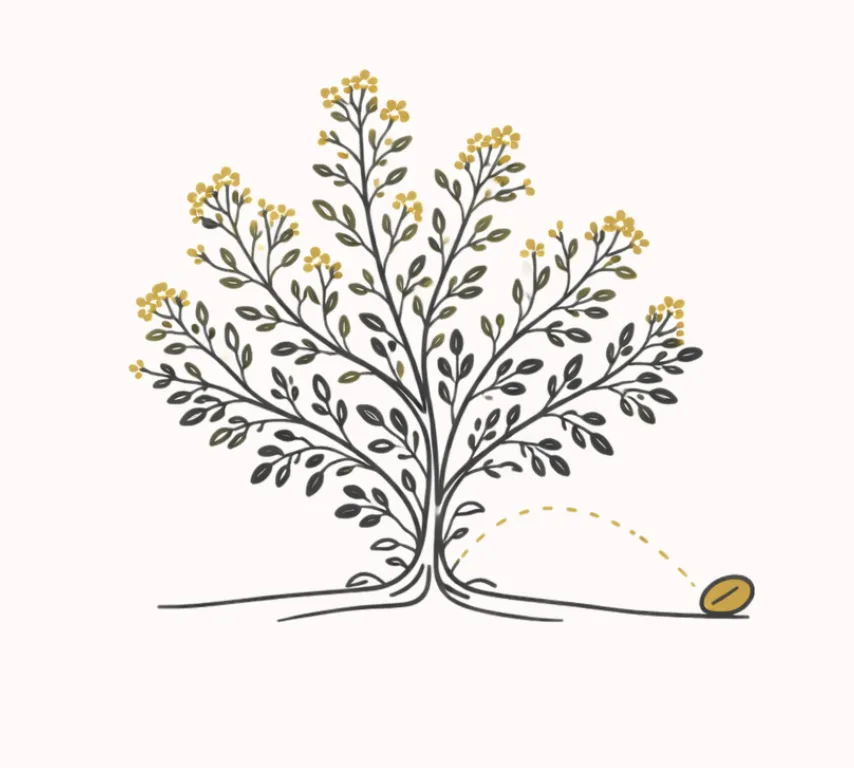
Everyone Wants The After Photo
Everyone wants to launch the business, hit the revenue screenshot, post the clean desk setup, and talk about freedom like it arrived in a box. The ugly part is that barely anyone wants the awkward opening chapter. The post that sparked this whole discussion said people want to skip straight to the part where the thing works, rather than spend time being bad long enough to get good. That line landed because it feels brutally familiar. People chase tools, hacks, AI tricks, and secret methods, while the real work sits there waiting, plain and boring.
The harsh truth is that buying something can feel like building something. A course, a template, a new software plan, a shiny dashboard, a coaching call, a fresh niche, a new brand name. Each purchase gives a tiny hit of movement. One anonymous commenter compared it to weight loss products and lottery tickets, saying people buy permission to dream because buying feels like action. That stings because it is painfully accurate. The card gets charged, the imagination lights up, and for a while the future feels handled. Then Monday arrives, and the hard part still wants a chair.
The Beginner Stage Has Become Embarrassing
Being a beginner used to feel like a normal cost of entry. Now it feels public, searchable, and slightly humiliating. Every weak post, failed offer, bad sales call, clunky website, and messy campaign can feel like proof that you are behind. One commenter said people want major change in a short stretch with the lowest effort imaginable because they hate being seen struggling. That fear is real. Nobody wants to look clueless in a feed full of people pretending they were born fluent in funnels, ads, content, outreach, branding, and operations.
The feed makes this worse because it chops the middle out of every story. Someone builds for years, survives cash crunches, loses sleep, nearly misses payroll, then shows up looking like an overnight success. Another commenter said they helped build an ecommerce business to 100 million, yet outsiders thought it appeared from nowhere. They saw luck. They missed years of grinding and random problems that could have killed the whole thing. That is the internet’s favorite magic trick. It hides the bruise and sells the highlight.
The Hack Economy Feeds The Fantasy
The online business world has become very good at selling escape from the beginner phase. Every pitch says the slow route is for people who have yet to discover the real lever. There is always a new AI trick, a new funnel angle, a new platform, a new guru, a new promise that effort can be compressed into a weekend. People want to believe it because the alternative asks for patience, and patience feels almost rude in a world where everything else arrives instantly. The market figured that out and priced it beautifully.
One voice in the thread pushed back with a practical reminder: write the plan down, map the steps, define the outcome, run the strategy, then adjust from feedback. That sounds almost antique beside all the loud promises. Yet it is exactly how skill gets built. You try something. It fails in a specific way. You learn where the thinking was thin. You revise the recipe. Then you try again with fewer blind spots. That loop lacks glamour, but it creates the thing every shortcut seller borrows for their ads: competence.
Some People Really Are Stuck
There is another side here, and it deserves room. Calling everyone lazy misses the emotional mess behind the hopping. One commenter shared that they had worked on a business since 2021, quit a full time job for flexibility, struggled badly, considered going back to regular work, and still felt pulled by every shiny trend, especially AI businesses. That is more than impatience. That is pressure. When money gets tight and confidence leaks, watching other people win can make your current path feel broken, even when it may only be young.
That is why the advice to simply “stick with it” can feel cheap. Some ideas deserve more time. Some deserve a clean ending. Some people need a steadier income while they keep building on the side. The mature move is learning the difference between quitting because the work is hard and quitting because the signal is truly dead. Beginners need room to test, but they also need enough honesty to stop worshipping sunk cost. Grit helps. Blind stubbornness can empty a bank account and call itself discipline.
The Real Flex Is Staying Bad Longer
The best line from the discussion came from someone who said that if you can handle being bad longer than others, you will outlast almost everyone. That is the whole game, really. Talent helps. Timing helps. Tools help. But the person willing to sit inside the cringe phase, make the calls, publish the rough work, review the numbers, and return tomorrow has an unfair edge. They are doing the one thing the shortcut crowd keeps avoiding. They are building tolerance for reality.
The beginner phase is ugly because it strips away fantasy. It tells you your first offer is confusing, your copy is flat, your targeting is lazy, your product needs work, your discipline is thinner than your ambition. That hurts. It also gives you the map. The people who make it are rarely the ones who found the secret door. They are the ones who stopped treating discomfort as a sign to switch lanes. They stayed in the room long enough for skill to show up.